From Comic Pages to the Big Screen: The Rise of Superhero Movies
Published on August 24, 2026
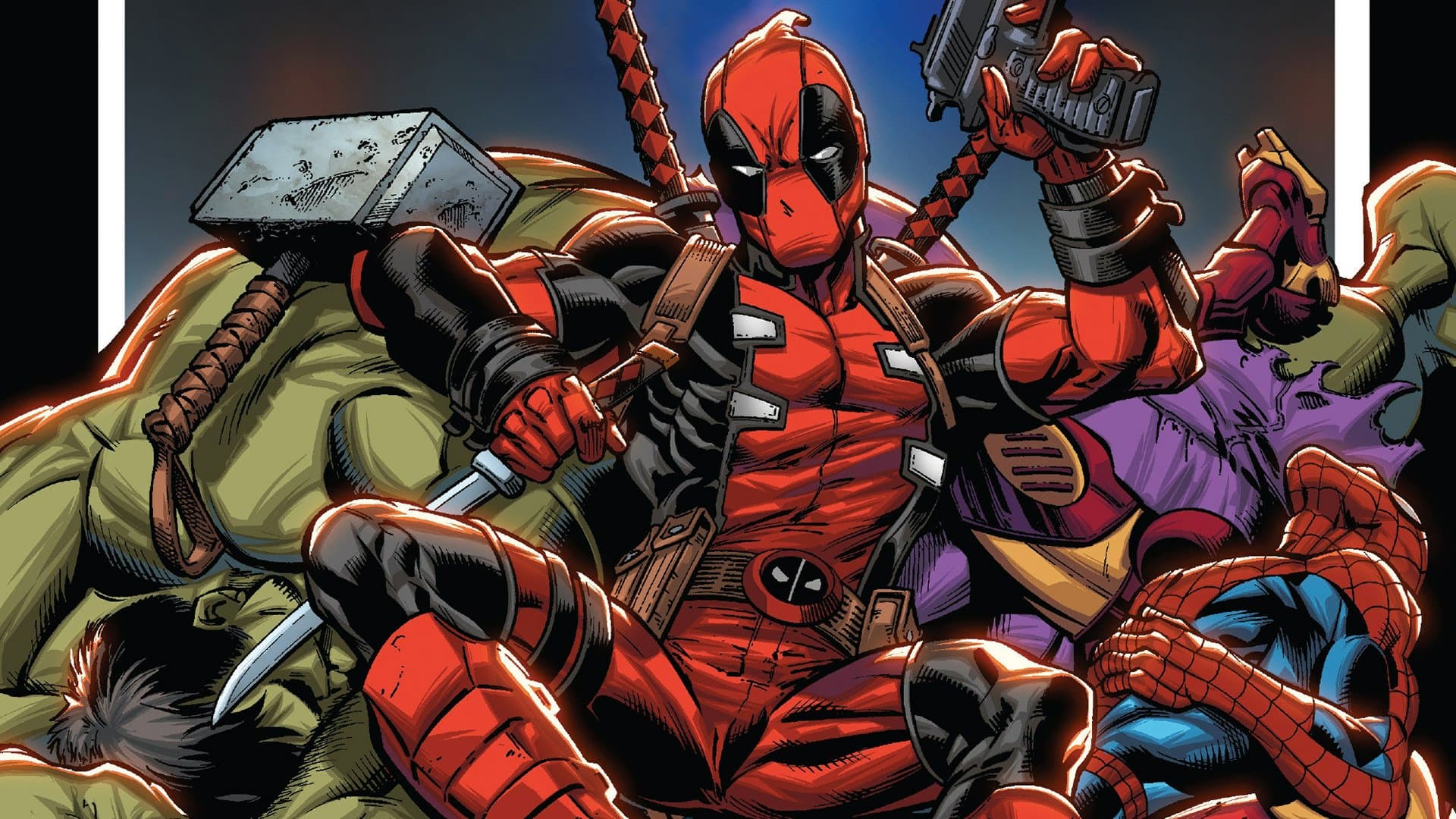
Superheroes have been part of popular culture for generations. Long before they appeared on cinema screens, characters with extraordinary abilities were entertaining readers through comic books.
Today, superhero movies are among the most recognizable forms of mainstream entertainment. They dominate box offices, inspire merchandise, create enormous fan communities, and influence everything from fashion and video games to television and theme parks.
But superhero movies did not become a global phenomenon overnight.
Their journey from comic book pages to the big screen took decades of experimentation, technological development, changing audience expectations, and ambitious filmmaking.
So, how did superheroes make the transition from printed pages to blockbuster movies?
Let's explore the fascinating rise of superhero cinema.
The Beginning: Superheroes Enter the World of Film
The relationship between superheroes and cinema began long before the modern era of blockbuster superhero movies.
As comic book characters became increasingly popular, filmmakers recognized their potential as movie and serial characters. Early adaptations often appeared as short serials, television productions, or relatively low-budget films.
These early productions were limited by the technology and filmmaking techniques available at the time.
Creating convincing superpowers on screen was difficult.
Flying characters, enormous explosions, superhuman strength, futuristic technology, and fantastical worlds were challenging to portray convincingly using the special effects available decades ago.
As a result, early superhero films often relied heavily on practical effects, costumes, camera tricks, miniature models, and creative editing.
Nevertheless, these early adaptations proved that comic book characters could work outside the pages of comics.
The Rise of Superman and Batman
Two characters played an especially important role in bringing superheroes into mainstream entertainment: Superman and Batman.
Superman became one of the earliest superheroes to achieve major success across multiple forms of media.
His popularity demonstrated that audiences could connect with superhero characters beyond comic books.
Batman followed a similar path, becoming a major cultural icon through comics, television, animation, and eventually film.
These characters helped establish a foundation for the superhero movie industry.
Their stories also demonstrated that superhero movies could take different approaches.
Superman represented the idea of an almost mythical hero with extraordinary powers, while Batman offered a darker and more human interpretation of the superhero concept.
The Importance of Technology
One of the biggest factors behind the growth of superhero movies was technological advancement.
Modern superhero stories often require filmmakers to create things that do not exist in the real world.
Characters may fly through cities, fight enormous creatures, travel through space, manipulate magical forces, or use advanced fictional technology.
Computer-generated imagery, commonly known as CGI, transformed what filmmakers could accomplish.
Instead of relying entirely on practical effects, filmmakers could digitally create environments, creatures, costumes, weapons, and entire worlds.
As visual effects improved, superhero movies could become increasingly ambitious.
The technology did not simply make superhero movies look better.
It made stories possible that would have been extremely difficult or nearly impossible to film convincingly in earlier decades.
The Turning Point: Modern Superhero Cinema
Although superhero movies had existed for decades, the genre began to change significantly around the turn of the 21st century.
Advances in computer graphics, filmmaking technology, production budgets, and audience interest created new opportunities.
Films featuring characters such as Spider-Man, X-Men, Batman, and other superheroes demonstrated that comic book adaptations could attract enormous audiences.
These movies also helped change the perception of superhero films.
They were no longer viewed simply as children's entertainment.
Studios began investing more heavily in superhero projects, bringing in major actors, directors, writers, composers, and visual effects teams.
Superhero movies were becoming major Hollywood productions.
The Marvel Cinematic Universe Changes Everything
One of the most important developments in superhero cinema came with the creation of the Marvel Cinematic Universe, commonly known as the MCU.
Instead of treating every superhero movie as a completely separate story, Marvel began connecting multiple films within a shared fictional universe.
Characters could appear in one another's movies, stories could continue across different films, and major events could build toward larger crossover stories.
This created a new model for blockbuster filmmaking.
Audiences were encouraged to watch multiple movies because each film could contribute to a larger narrative.
The approach also created enormous anticipation around future releases.
The success of interconnected storytelling demonstrated that superhero movies could function not only as individual films but also as parts of a much larger cinematic universe.
The Rise of DC's Cinematic Universe
DC also expanded its superhero characters into interconnected cinematic stories.
Characters such as Batman, Superman, Wonder Woman, Aquaman, and others received major movie adaptations.
DC's films demonstrated the enormous variety available within superhero storytelling.
Some stories focused on mythology and hope, while others explored darker themes, moral complexity, identity, and social issues.
The competition between major superhero franchises helped push studios to invest more heavily in the genre.
Audiences were presented with different interpretations of familiar characters, allowing superhero cinema to explore a wider range of tones and storytelling styles.
Superhero Movies Became Global Events
One of the biggest changes brought by superhero cinema is the way major releases became global cultural events.
A highly anticipated superhero movie can generate conversations months or even years before its release.
Trailers become major online events.
Fans create theories and predictions.
Social media discussions spread rapidly.
Characters become popular across different age groups and countries.
The result is that superhero movies are no longer simply films that people watch.
They can become shared cultural experiences.
People may discuss a major movie with friends, family, coworkers, and online communities immediately after watching it.
Why Audiences Love Superhero Movies
The popularity of superhero movies comes from several factors.
First, they provide spectacle.
Large-scale battles, visual effects, futuristic technology, fantasy worlds, and extraordinary characters can create a cinematic experience that is difficult to reproduce in everyday life.
Second, superhero stories often contain relatable emotional themes.
Behind the action are stories about:
Family
Friendship
Sacrifice
Identity
Responsibility
Loss
Courage
Revenge
Redemption
Hope
These themes allow audiences to connect emotionally with characters even when the fictional world is completely unrealistic.
Finally, superhero movies offer escapism.
For a few hours, audiences can enter a world where ordinary people can become heroes and impossible challenges can be overcome.
The Expansion Beyond Superheroes
The success of superhero movies has influenced the entire entertainment industry.
Studios have increasingly invested in franchises, interconnected stories, sequels, spin-offs, and shared fictional universes.
Superhero characters have also expanded into:
Television series
Animated films
Video games
Streaming platforms
Toys and collectibles
Theme parks
Merchandise
Books and novels
The result is a massive entertainment ecosystem built around characters that originally appeared on printed pages.
Superhero Movies and Representation
Modern superhero cinema has also become increasingly diverse.
Audiences now see heroes from different cultural backgrounds, genders, ages, and experiences.
Characters who were once secondary figures in comic books have received opportunities to become central characters in major productions.
This has allowed more viewers to see themselves represented on screen.
Representation can be particularly meaningful for younger audiences because fictional characters can influence how they understand identity, courage, leadership, and possibility.
Superhero movies therefore have the potential to entertain while also reflecting changes in society.
The Challenges of Superhero Cinema
Despite their success, superhero movies also face challenges.
With so many superhero films and television series being produced, audiences can sometimes experience franchise fatigue.
Viewers may become overwhelmed by the number of characters, interconnected stories, sequels, spin-offs, and cinematic universes.
There is also increasing pressure on filmmakers to create something different.
Audiences have already seen countless battles between heroes and villains, so filmmakers must find new ways to tell superhero stories.
This has encouraged some creators to experiment with different genres, storytelling structures, visual styles, and character perspectives.
The Future of Superhero Movies
The future of superhero cinema is likely to be shaped by changing technology and audience expectations.
Advances in visual effects, virtual production, animation, artificial intelligence-assisted creative tools, and immersive entertainment could give filmmakers new ways to tell superhero stories.
At the same time, audiences may increasingly look for stories that feel fresh rather than simply bigger.
The next generation of superhero films may focus more heavily on character development, unique storytelling, different genres, and new perspectives.
The superhero genre has already demonstrated its ability to evolve.
There is little reason to believe that evolution will stop.
From Comic Book Pages to a Global Phenomenon
The journey of superhero movies is ultimately a story about adaptation.
Characters that began as illustrations and dialogue on printed pages eventually became television stars, movie icons, video game characters, and global cultural symbols.
Technology helped make their transformation possible, but technology alone did not create their success.
The real strength of superheroes lies in their stories.
People continue to connect with themes of courage, responsibility, sacrifice, friendship, justice, and hope.
Whether those stories are experienced through a comic book or projected onto a massive cinema screen, the fundamental appeal remains the same.
Conclusion
The rise of superhero movies has changed modern cinema in ways few could have predicted.
What began as stories printed on comic book pages eventually became one of the most successful and influential forms of blockbuster entertainment.
From early adaptations and practical effects to CGI-driven cinematic universes, superhero films have continuously evolved alongside technology and popular culture.
Their success demonstrates the power of great characters and timeless stories.
Superheroes may have started on paper, but their influence now reaches far beyond comic books.
From comic pages to the big screen, superheroes have become more than movie characters—they have become a global part of modern culture.
